
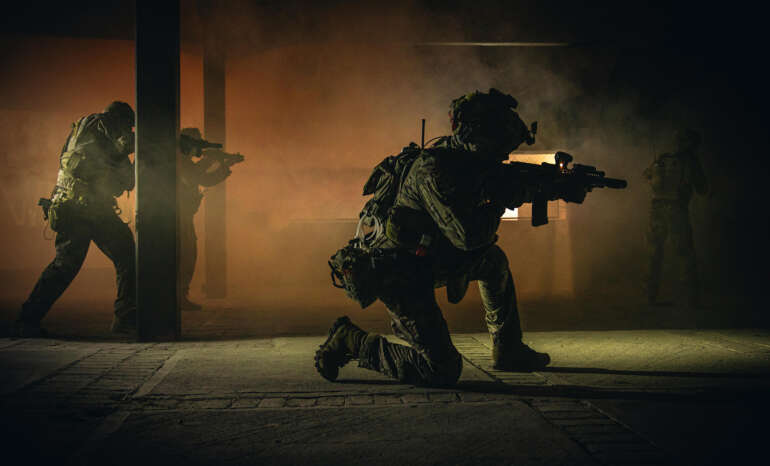
While shooting with some Green Berets, Ben Affleck asked what is the difference between Special Forces Operators and other people?
Their answer: Problem Solving
And might I add the word: decisive (especially when bullets are flying past your head!)
History’s most effective leaders, from battlefields to boardrooms, succeeded not by broadcasting their inner strengths or struggles but by making sound decisions under pressure AND owning the outcomes.
Discipline in leadership also echoed in Admiral Chester W. Nimitz after Pearl Harbor. Instead of wallowing in personal trauma, he redirected effort to rebuild capability and strengthen strategic positioning.
These episodes show a common pattern: acknowledge emotion, but subordinate it to purpose to achieve sharper, more reliable decisions under high stakes.
Accountability Over Introspection
Ownership defines effective leadership. When vulnerability becomes self-focused rather than mission-focused, it becomes a liability. True accountability means:
Facing outcomes without deflection or excuses**
Learning from failure without paralysis**
Holding teams to high standards consistently**
Leaders who live this way earn credibility because their actions align with the standards they demand of others. They do not exempt themselves from the expectations they set.
Discipline Creates Reliable Performance
A disciplined leader sets clear expectations and enforces them consistently. They plan for contingencies rather than reacting emotionally and prioritize performance over popularity.
In our fast-moving world—whether in military operations, large-scale infrastructure, or corporate crisis management—teams don’t need leaders who complain or vent every internal struggle. They need leaders who make decisions with incomplete information, deliver results amid uncertainty and own the results.